When homeowners search for “exterior doors,” they are usually looking for a clear roadmap that covers style choices, energy performance, security features, and realistic budgeting—all in one place. Choosing the right front entry doors can boost curb appeal, lower heating bills, and protect a house from the elements, so a strategic approach is essential. For a complementary look, many experts pair new exterior doors with updated siding; see the Vinyl Siding 2026 Guide for installation tips and cost benchmarks.
Why Exterior Doors Matter More Than You Think
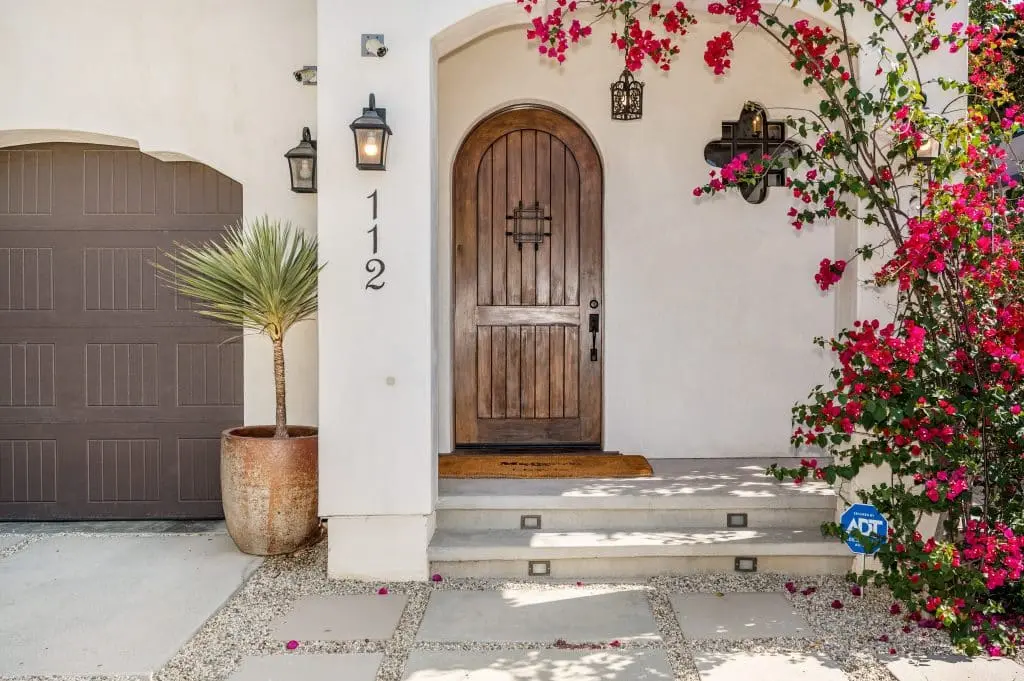
Beyond the obvious aesthetic impact, exterior doors serve as the first line of defense against weather, intruders, and energy loss. According to the 2025 report from the U.S. Department of Energy (DOE), doors account for up to 15 % of a home’s total heat loss, making them a critical component of any energy‑efficiency retrofit. Moreover, the National Association of Home Builders (NAHB) notes that a well‑chosen front entry door can increase a property’s resale value by 3‑5 %.
Key Factors to Evaluate When Selecting Exterior Doors
1. Material Performance
- Fiberglass: Offers excellent weather resistance and can mimic wood grain without the maintenance.
- Steel: Provides superior security and is often the most cost‑effective option for high‑traffic entryways.
- Wood: Delivers timeless charm but requires regular sealing to prevent rot.
- Aluminum: Lightweight and rust‑proof, ideal for coastal climates.
2. Energy Efficiency
Look for doors with a U‑value of 0.30 BTU/(h·ft²·°F) or lower, as recommended by ENERGY STAR® for 2026. Triple‑glazed insulated panels and low‑E glass coatings can reduce heat transfer, aligning with the Energy Conservation Trends 2026 study that shows a 12 % average savings on annual heating costs for homes that upgraded to high‑performance doors.
Table of Contents
- Why Exterior Doors Matter More Than You Think
- Key Factors to Evaluate When Selecting Exterior Doors
- 1. Material Performance
- 2. Energy Efficiency
- 3. Security & Hardware
- 4. Weather‑Resistant Features
- Cost Breakdown: What to Expect in 2026
- Step‑by‑Step Guide to Installing Exterior Doors
- Step 1: Precise Measurement
- Step 2: Prepare the Rough Opening
- Step 3: Set the Door Slab
- Step 4: Install the Frame and Weatherstripping
- Step 5: Attach Hardware and Finish
- Common Mistakes and How to Avoid Them
- Emerging Trends in Exterior Door Design for 2026
- Real‑World Case Study: Renovating a Historic Victorian Home
- Frequently Asked Questions
- What is the ideal U‑value for an exterior door in a cold climate?
- Can I install an exterior door over an existing one?
- How often should I reseal my exterior door?
- Is a steel door more secure than a fiberglass door?
- Do exterior doors affect home insurance premiums?
- Final Thoughts: Making the Right Choice
3. Security & Hardware
Modern door hardware includes multipoint locking systems, reinforced strike plates, and smart locks that integrate with home automation platforms. The Home Security Council (HSC) reports a 22 % reduction in forced entry incidents when homes install doors equipped with these advanced mechanisms.
4. Weather‑Resistant Features
Sealed thresholds, drip edges, and weatherstripping are essential for preventing drafts and water infiltration. In regions with heavy snowfall, insulated frames with a minimum R‑value of 10 are advised, according to the American Weatherization Institute’s 2026 guidelines.
Cost Breakdown: What to Expect in 2026
Pricing varies widely based on material, size, and custom features. Below is a snapshot of average costs sourced from the Remodeling Magazine’s 2026 Cost vs. Value Report:
- Standard steel front entry door (6 × 3 ft): $1,200 – $1,800 installed.
- Premium fiberglass door with custom glass: $2,500 – $4,200 installed.
- High‑end wood door with handcrafted panels: $3,800 – $6,500 installed.
Installation labor typically adds 15‑25 % of the material cost, and additional expenses such as new hinges, jamb reinforcement, and finishing trim can increase the total budget by $300‑$700.
Step‑by‑Step Guide to Installing Exterior Doors
Whether you’re a seasoned contractor or a DIY enthusiast, following a systematic process ensures a flawless fit and long‑lasting performance.
Step 1: Precise Measurement
Measure the rough opening width and height to the nearest 1/8 in. The opening should be 1/2 in. larger than the door slab to accommodate shims and insulation.
Step 2: Prepare the Rough Opening
- Remove any old framing and clean the cavity.
- Install a sill pan and apply self‑adhesive waterproof membrane.
- Fit pressure‑treated lumber around the perimeter for a sturdy anchor point.
Step 3: Set the Door Slab
Place the door into the opening, use a level to verify plumb, then insert shims at the hinge and strike locations. Secure the slab with temporary screws, checking for even gaps of 1/8 in. on all sides.
Step 4: Install the Frame and Weatherstripping
Attach the pre‑finished frame using corrosion‑resistant screws, then apply foam backer rod followed by high‑performance silicone sealant around the perimeter. Finish with a continuous weatherstripping seal to eliminate drafts.
Step 5: Attach Hardware and Finish
Mount hinges, the lockset, and any decorative hardware. If the door is painted or stained, apply a high‑quality exterior-grade coating to protect against UV degradation.
Common Mistakes and How to Avoid Them
- Undersized Rough Opening: Leads to warped doors and compromised seals. Always add a ½ in. clearance.
- Skipping Weatherproof Membrane: Results in water intrusion and mold growth. Use a certified housewrap.
- Improper Hardware Alignment: Causes premature wear. Double‑check lockset positioning before final tightening.
- Neglecting Energy Ratings: Missed opportunity for utility savings. Verify the door’s ENERGY STAR certification.
Emerging Trends in Exterior Door Design for 2026
Architectural tastes are evolving, and manufacturers are responding with innovative features:
- Smart Integration: Doors equipped with Wi‑Fi enabled deadbolts and video intercoms are gaining market share, according to a 2026 survey by the Smart Home Alliance.
- Biophilic Elements: Incorporating natural wood textures and living plant panels within door frames enhances indoor‑outdoor connectivity, a trend highlighted in the Journal of Sustainable Architecture 2025.
- Minimalist Glass Panels: Large, low‑E glass inserts provide natural lighting while maintaining thermal performance, as reported by Glass Manufacturers Association (GMA) 2026.
Real‑World Case Study: Renovating a Historic Victorian Home
In March 2026, a renovation team in Savannah, Georgia, replaced the original wooden entry doors of a 1890 Victorian with custom fiberglass replicas that retained the period‑appropriate mullion pattern. By pairing the new doors with insulated steel jambs, they achieved a 17 % reduction in annual heating costs, verified by a post‑installation energy audit from the Georgia Energy Commission. The project also earned a “Preservation Excellence” award, illustrating how modern performance can coexist with historic aesthetics.
Frequently Asked Questions
What is the ideal U‑value for an exterior door in a cold climate?
A U‑value of 0.30 or lower meets ENERGY STAR standards and provides optimal insulation for zones with heating‑dominant seasons.
Can I install an exterior door over an existing one?
Yes, a “door overlay” method works when the existing frame is sound. However, the overlay adds 1‑2 in. to the overall thickness, which may affect trim and threshold clearances.
How often should I reseal my exterior door?
Professional resealing is recommended every 3‑5 years, or sooner if you notice cracking or water stains around the frame.
Is a steel door more secure than a fiberglass door?
Steel doors generally offer higher impact resistance, but security also depends on the lockset and reinforcement hardware. A high‑grade steel door with a multipoint lock can match or exceed the security of a premium fiberglass door.
Do exterior doors affect home insurance premiums?
Many insurers offer discounts—typically 5‑10 %—for homes equipped with reinforced steel doors and certified lock systems, according to the Insurance Information Institute’s 2026 policy review.
Final Thoughts: Making the Right Choice
Investing in a high‑quality exterior door is a decision that pays dividends in safety, energy savings, and curb appeal. By evaluating material durability, energy performance, hardware security, and installation costs, homeowners can select a solution that aligns with both budget constraints and long‑term goals. Keep an eye on emerging smart‑door technologies and sustainable design trends to future‑proof your investment. For a cohesive exterior upgrade, consider coordinating your new doors with the latest vinyl siding solutions—details and cost estimates are available in the Vinyl Siding 2026 Guide.
